 Skip to content

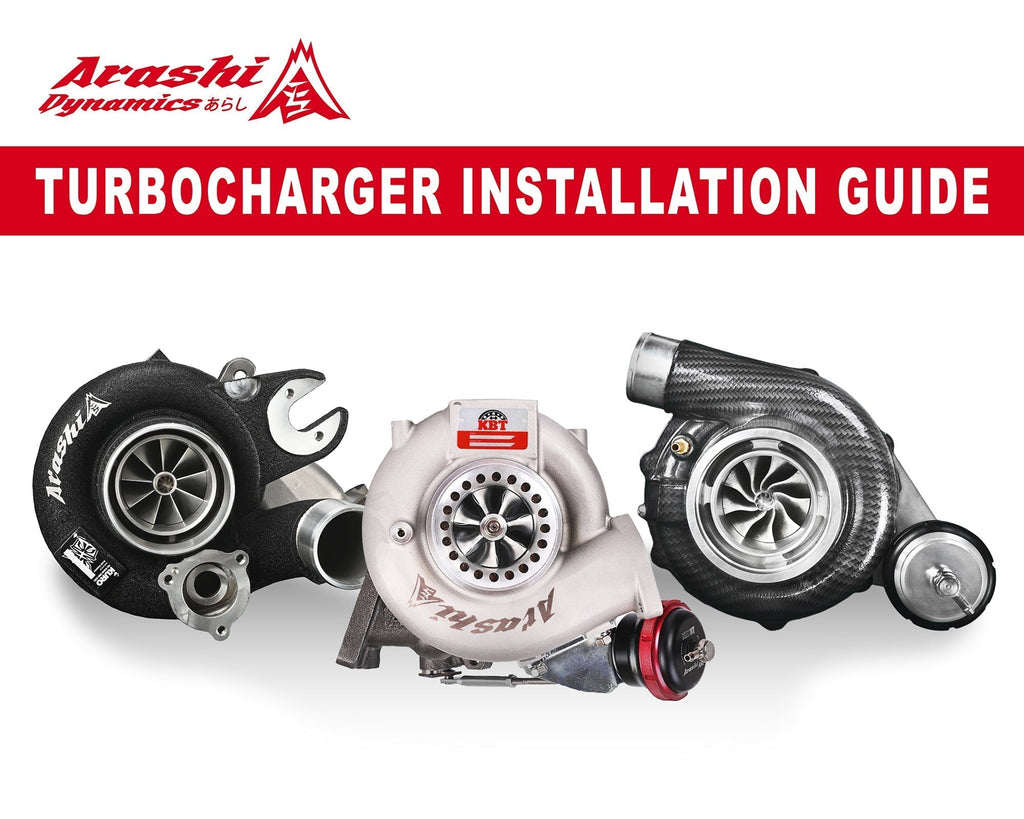

Turbocharger Installation Guide
Installing a turbocharger is one of the most effective ways to increase engine performance and efficiency. However, proper preparation before installation is critical to ensure the turbo operates smoothly, delivers optimal performance, and achieves its maximum service life.

In this guide, we will walk through the essential inspections and preparation steps you should complete before installing a turbocharger. These pre-installation checks help prevent premature turbo failure and ensure reliable long-term performance.
Why Pre-Installation Checks Are Important
A turbocharger operates under extreme conditions, including high temperatures, high rotational speeds, and continuous oil lubrication. Even small contaminants such as carbon buildup, debris, or restricted oil flow can cause significant damage to the turbocharger’s internal components.
By performing proper checks before installation, you can:
- Ensure proper lubrication and airflow
- Prevent contamination inside the turbocharger
- Reduce the risk of premature wear or failure
- Improve long-term reliability and performance

Whether you are replacing a failed unit or upgrading to a performance turbocharger, these checks should always be completed before first startup.
Inspect and Clean Oil Supply and Drain Components
Before installing the turbocharger, carefully inspect the entire oil supply and return system.
Check these components:
- Oil feed bolts
- Banjo fittings
- Oil feed hoses
- Oil drain pipes
- Turbocharger inlet pipes
- Turbocharger outlet pipes
Use compressed air and suitable cleaning methods to ensure all passages are clear. Confirm that oil feed and drain routes are fully clean and free of carbon buildup before proceeding with installation.

Verify Exhaust Manifold Passages Are Clear
The turbine housing relies on smooth exhaust gas flow to drive the turbocharger effectively. If the exhaust manifold passages are restricted by debris, carbon buildup, or other obstructions, turbine efficiency can be reduced and overall turbo performance may suffer.
Before installation, inspect the exhaust manifold carefully and verify that all passages are clear. Any blockage in the exhaust path can negatively affect spool characteristics, boost response, and turbine operation.
Ensuring unrestricted exhaust flow is a basic but critical part of proper turbocharger installation.
Pre-Lubricate the Turbocharger
Proper lubrication during initial startup is critical.
Before starting the engine:
- Inject clean engine oil into the turbocharger oil inlet port.
- Ensure the turbo’s internal components receive lubrication.
- After installation, run the engine for a few minutes to allow oil to circulate properly through the turbocharger.
Pre-lubrication helps protect the turbo bearings and shaft assembly from dry startup conditions.

Remove Debris from the Air Intake System
The intake side of the turbocharger must remain completely clean. Thoroughly inspect the air intake pipe connected to the air filter and remove any dust, debris, particles, or foreign material.
Contamination entering through the compressor side can damage the compressor wheel, reduce airflow efficiency, and compromise overall turbocharger performance. In severe cases, foreign object damage can cause immediate failure.
A clean air intake system is essential for protecting the compressor housing and maintaining stable boost performance.
Inspect Engine Oil for Contamination
If any problem appears after the turbocharger has been installed, inspect the engine oil immediately for contamination. Dust, debris, or other particles in the oil can indicate that the lubrication system has been compromised.
If contamination is present, please:
l Replace the engine oil immediately
l Inspect the oil feed and return lines
l Ensure both inlet and outlet pipes are unobstructed
l Confirm that oil flow to the turbocharger is not impeded
Clean oil is essential for maintaining turbocharger reliability and longevity.

Use Only Approved Engine Oil
Always use manufacturer-approved engine oil when operating a turbocharged engine. Turbochargers operate in a high-heat, high-speed environment, which places significant demand on engine oil. Using incorrect or low-quality oil may significantly shorten the life of the turbocharger.
The correct oil helps maintain bearing protection, thermal stability, and proper lubrication under load. Using unsuitable oil can increase the risk of coking, sludge formation, poor lubrication, and shortened turbocharger life.
Choosing the right oil is not only an engine maintenance decision — it is also a key part of turbocharger reliability.
Turbocharger Lifespan Depends on Application and Operating Conditions
Unless otherwise stated, turbochargers are supplied as new units. However, turbocharger service life can vary significantly depending on the specific application, engine condition, maintenance quality, and operating environment.
Factors that affect lifespan include oil quality, oil change intervals, installation accuracy, engine tuning, driving habits, exhaust temperatures, and overall system condition. A turbocharger installed into a poorly maintained or contaminated system will not deliver the same durability as one installed under proper conditions.
For that reason, installation quality and system cleanliness should always be treated as part of long-term turbocharger performance.

Final Thoughts
A successful turbocharger installation begins with careful preparation. Cleaning the oil feed system, checking the exhaust manifold, pre-lubricating the turbo, clearing the intake path, and using the correct oil are all essential steps that help prevent unnecessary damage.
If you want your turbocharger to deliver reliable boost, stable performance, and long service life, never skip the pre-installation inspection process. Proper preparation is one of the most effective
Find out more :


